



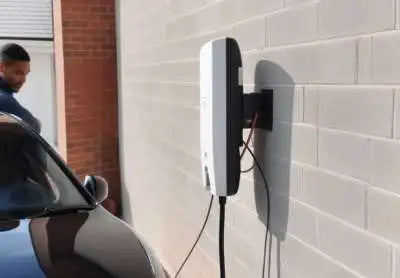
The Era of Electric Mobility and Connectivity

In the era of electric mobility, connectivity at electric vehicle (EV) charging points has become a crucial factor. EV charging infrastructure must be able to handle and deliver large amounts of energy efficiently, and this meticulous management of energy flow between electric vehicles and the electrical grid is essential to ensure ease of use for vehicle owners and stability for the grid.
Smart Chargers for Electric Vehicles: A Step Forward in Recharging

Smart chargers for electric vehicles, equipped with communication and data processing capabilities, are at the forefront of efficient and intelligent charging solutions. These chargers connect to the Internet and communicate with devices such as smartphones, home energy management systems, and utility grids. This communication allows for greater functionality, efficiency, and convenience compared to conventional non-smart chargers.
Connectivity Challenges in Electric Vehicle Chargers

Despite the advantages of smart chargers, users often face problems when the internet connection does not properly reach the chargers. This can result in reduced functionality, charging scheduling issues, and difficulties integrating with home energy management systems and utility grids. In some cases, it can even prevent the charger's ability to participate in demand response programs, which can result in higher energy costs for the user.
The connectivity of smart chargers for electric vehicles allows for intelligent charge management and offers seamless integration into the grid. This enables remote monitoring and control, integration with renewable energy sources, participation in demand response programs, and an optimized overall charging experience for EV owners.
Plastic Optical Fiber: An Ideal Connectivity Solution

In this context, plastic optical fiber emerges as an ideal connectivity solution for smart EV chargers. Plastic optical fiber offers significantly faster data transmission speeds and greater reliability compared to wireless connections. This can be especially useful for smart chargers, which need to communicate efficiently and reliably with various devices and services.
Furthermore, wired connections are generally more secure than wireless ones, as they are harder to intercept. This can be important for protecting user data and ensuring the security of charging transactions. Wired connections are also less susceptible to electromagnetic interference, which can improve the quality and reliability of the connection.
Plastic optical fiber has a high bandwidth capacity, meaning it can handle large volumes of data. This can be useful for smart chargers, which may need to transmit and receive large amounts of data to optimize charging and participate in demand response programs.
Conclusion: Connectivity in Electric Vehicle Charging

In summary, connectivity in electric vehicle charging for domestic use is essential for an efficient and convenient charging experience. Plastic optical fiber, with its high speed, reliability, and security, can play a crucial role in optimizing this experience. As EV adoption increases, smart chargers and advanced connectivity solutions like plastic optical fiber will play an increasingly important role in the transition to a cleaner and greener transportation future.
(3).png)


