



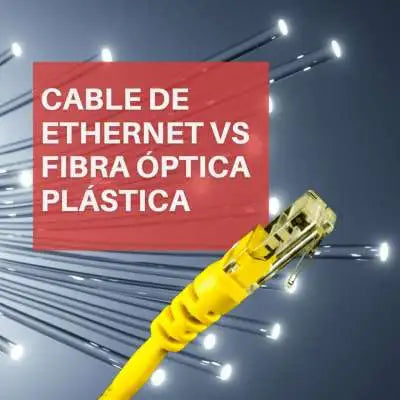
Ethernet Cables
Ethernet cables are a type of network cable used to connect network devices such as computers, routers, and switches. These cables have RJ-45 connectors on both ends and are available in different lengths. Twisted pair cables are divided into two categories: unshielded twisted pair (UTP) and shielded twisted pair (STP). UTP cables are more common and economical, while STP cables provide greater security and resistance to electromagnetic interference. UTP cables are classified into different categories based on their speed and resistance to electromagnetic interference. Cat5 cables are the oldest and support speeds up to 100 Mbps. Cat5e cables are an improvement over Cat5 cables and support speeds up to 1000 Mbps. Cat6 and Cat6a cables are even more advanced and support speeds up to 10 Gbps and have greater resistance to electromagnetic interference. Cat7 cables are the most advanced and support speeds up to 10 Gbps with greater resistance to electromagnetic interference and a longer transmission distance.
Plastic Optical Fiber Cables
Plastic optical fiber cable is a type of cable used to transmit data via light. It is made of transparent materials and is used to connect devices over long distances, up to more than 50 km. Plastic optical fiber is ideal for applications requiring high bandwidth and high data transmission speed, such as high-quality video streaming or large file transfers. In addition, it is very resistant to electromagnetic interference (EMI) and physical damage, making it ideal for use in industrial environments or in areas where there are sources of electromagnetic interference or where cables may be exposed to vibrations or impacts.
Similarities and Differences between Ethernet Cables and Plastic Optical Fiber Cables
Similarities:
- Both are used to connect network devices and transmit data through them.
- Both can be used in a local area network (LAN).
- Both can be used to connect devices to the internet.
Differences:
- Ethernet cables are made of copper and are quite thick, especially the reinforced ones designed to prevent interference. On the other hand, plastic optical fiber cables are made of transparent materials and are very thin and quite flexible.
- Ethernet cables are cheaper but somewhat more complicated to install than plastic optical fiber cables.
- Ethernet cables are affected by electromagnetic interference (EMI), while plastic optical fiber cables are completely resistant to electromagnetic interference (EMI).
- Data transmission speed is more reliable in plastic optical fiber cables than in Ethernet cables.
Advantages of Plastic Optical Fiber Kits
Plastic optical fiber installation kits offer several advantages compared to Ethernet cables.
- Greater data transmission reliability: Plastic optical fiber cables can transmit data at stable high speeds, whereas Ethernet cables can experience fluctuations due to their electromagnetic nature. This makes fiber optics ideal for applications requiring high bandwidth, such as high-quality video streaming or large file transfers.
- Total resistance (immunity) to electromagnetic interference (EMI): Plastic optical fiber cables are immune to electromagnetic interference (EMI) compared to copper cables, such as Ethernet cables. This makes them ideal for use in industrial environments or in areas where there are sources of electromagnetic interference, as the fiber optics will not be affected by this interference.
- Ease of installation: Plastic optical fiber cables are more resistant to physical damage than copper cables. This makes them ideal for use in environments where cables may be exposed to vibrations or impacts, such as in multi-story buildings or outdoors, and also allows for more confident handling and installation.
Conclusion
In summary, there isn't a "better than" scenario, but if you're looking for ease of installation and stable performance, Plastic Optical Fiber might be the favorite in this comparison. On the other hand, Ethernet cable comes in many versions and categories, and if there's a dedicated telecommunications conduit installation, it can be a good option. It's important to consider speed, security, and transmission distance needs, as well as budget. Once these factors have been evaluated, users can make an informed decision about which type of cable is best for their network.


